Neighbor Noise: How to Measure and Document It Before You Complain
How to measure and document neighbor noise: what to record, a simple noise log, typical night limits, and the steps to take before filing a complaint.
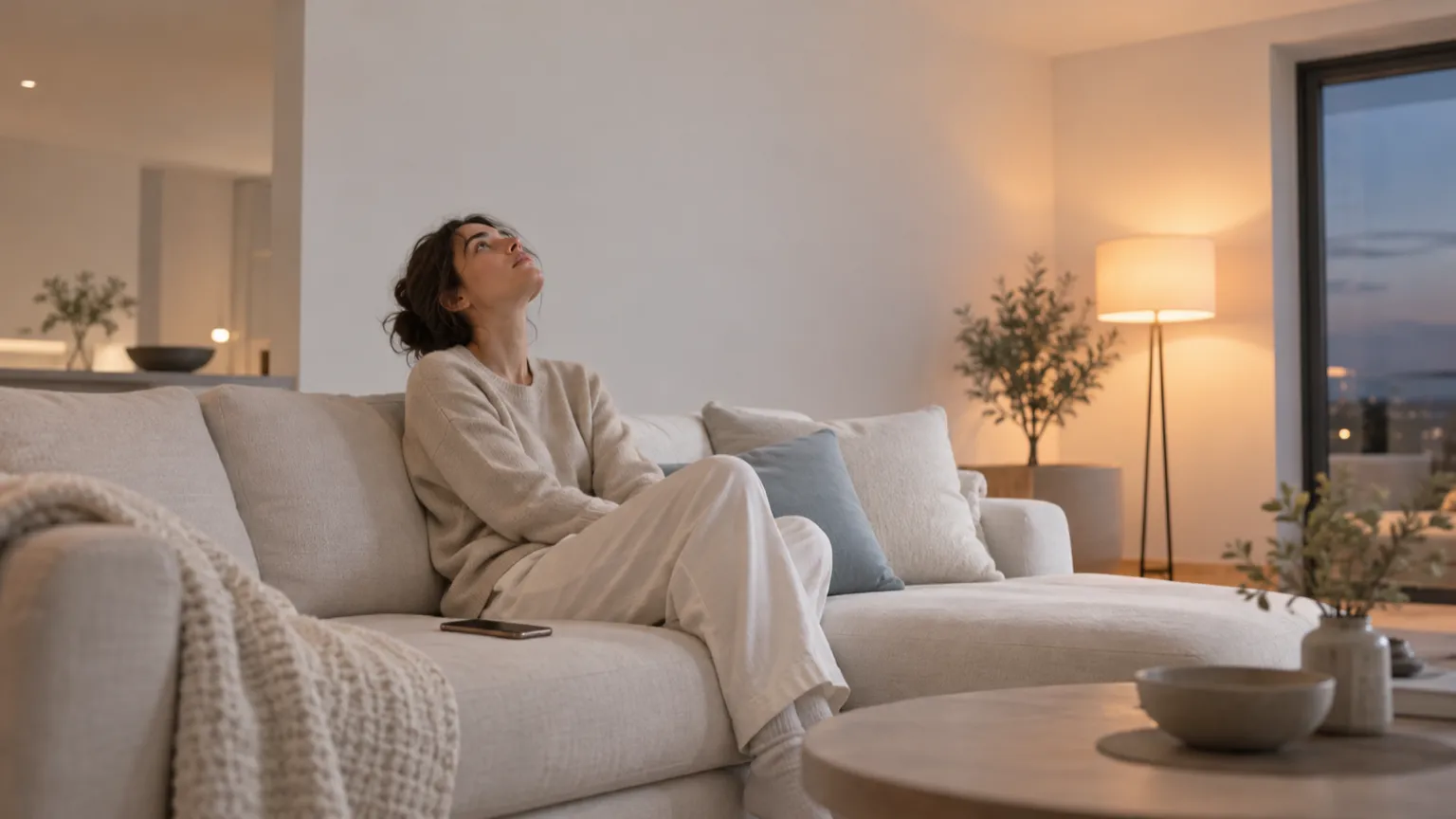
When a neighbor’s noise keeps you up, the hardest part is often proving it. Saying “they’re loud every night” is easy to dismiss. A dated log showing levels of 55 to 65 dB in your bedroom after midnight, three nights a week for a month, is much harder to ignore.
This guide covers how to measure noise at home, what to write down, what limits are typical, and the usual steps before a formal complaint. It is practical guidance, not legal advice. Rules differ a lot between cities, countries and buildings.
First, understand what you are dealing with
Neighbor noise usually falls into one of three types, and each is measured a little differently.
- Airborne noise: music, TV, voices, barking. It travels through the air and through walls. Bass carries much further than voices.
- Impact noise: footsteps, stomping, dropped objects, furniture dragged across a floor. It travels through the structure of the building, so it is mostly low-frequency thuds. This is the classic upstairs neighbor stomping problem.
- Mechanical noise: washing machines, pumps, air conditioners, ventilation. Usually steady and often a low hum.
Knowing the type helps you choose settings and explain the problem clearly later.
What to measure
Leq: the average level
The equivalent continuous level (Leq) is the energy average over a period. It is the figure most noise rules are based on. Record it over a meaningful stretch, such as 5, 15 or 30 minutes, while the noise is happening.
Lmax and peak: the loudest moments
For intermittent noise like stomping, slamming doors or barking, the average can look modest while the individual events are what wake you up. Record the maximum level (Lmax) and note how many loud events happened in the period. Use Fast response so short thuds are not smoothed away.
Background level
Take a measurement at the same spot when the noise is not happening, ideally at the same time of night. The difference between background and noise is often more telling than the absolute figure. Many assessments look at how far a noise rises above the normal background.
Weighting
Use dBA as your main figure, because almost every rule is written in dBA. For bass music and footsteps, also take a dBC reading. A large gap between dBC and dBA shows the noise is mostly low-frequency, which explains why it bothers you more than the dBA number suggests. dB vs dBA explains this in detail.
How to take a good measurement at home
- Measure where you are affected, usually the bedroom or living room. Many rules apply inside the affected home or at the property boundary.
- Close windows if the noise comes from inside the building, so street noise does not mix in.
- Keep the phone still, away from walls and at least a metre from the floor, at roughly head height when you are in bed or sitting.
- Turn off your own noise sources: TV, fan, fridge if possible.
- Do not speak or move during the measurement. A cough or a footstep of your own will show up as a peak.
- Record for several minutes, not a single glance at the number.
- Repeat on different days. One loud night proves little. A pattern over weeks is what officials and landlords respond to.
A phone microphone is fine for this, within its limits. Our guide to measuring on iPhone covers placement and accuracy. You can also run a quick check with the free browser meter on our home page.
Keep a noise log
A simple, consistent log is the most useful thing you can bring to a landlord, building manager or council. Write each entry on the night or the next morning, not weeks later.
| Date | Time (start to end) | What you heard | Room | Leq | Max | Notes |
|---|---|---|---|---|---|---|
| Fri 3 Oct | 23:40 to 01:15 | Bass music, voices | Bedroom | 52 dBA | 64 dBA | Woke up twice, background 31 dBA |
| Sat 4 Oct | 02:10 to 02:30 | Footsteps, door slams | Bedroom | 41 dBA | 66 dBA | About 30 loud thuds |
Useful things to include:
- Exact date and times. Start and end, not “late at night”.
- Description of the noise in plain words.
- Where you measured and whether windows were open.
- Levels: Leq for the period, max, and background.
- Effect on you: woke you up, prevented sleep, unable to work from home.
- Any contact with the neighbor or landlord, and what was said.
Video with the level on screen
A short video clip showing the reading next to the source of the noise makes a log far more convincing. A meter app with a camera mode can overlay the live level on the video, so the image and the number appear together. Location labels on saved readings help show where each was taken.
How loud is too loud for neighbors?
There is no single answer. Limits are set locally, by city ordinances, national regulations, building rules or your lease, and they are measured in different ways.
That said, some patterns are common:
- Night-time limits in residential areas are often somewhere between 40 and 55 dBA, frequently measured at the property line or inside the affected home.
- Daytime limits are usually higher, often in the 50 to 65 dBA range.
- Quiet hours commonly run from around 10 or 11 pm to 7 or 8 am, with longer hours on weekends in some places.
- Some places also treat noise as a nuisance if it is “plainly audible” at a certain distance, with no decibel figure at all.
For reference, the WHO recommends about 30 dB in bedrooms at night for undisturbed sleep, and night noise outside homes ideally below about 40 dB. A neighbor’s music at 50 dB in your bedroom is quiet by daytime standards, but well above what supports good sleep.
Check the exact rules for your address. Search your city or council name with “noise ordinance” or “noise nuisance”, and read your lease or building rules, which may be stricter than the law.
Steps before you complain
- Make sure it is a pattern. Log the noise for one to two weeks so you know when it happens and how loud it gets.
- Talk to the neighbor. Many people have no idea how far sound travels, especially footsteps and bass. Pick a calm moment, be specific (“after midnight on weeknights”) and suggest a fix.
- Leave a polite note if talking feels difficult. Keep a copy.
- Check the rules: your lease, the building’s house rules, any HOA rules, and the local ordinance.
- Contact the landlord or building manager in writing, with your log attached. Landlords often have more leverage than anyone else.
- Try mediation. Many cities offer free community mediation for neighbor disputes.
- Contact your city or council through its non-emergency route, such as 311 in many US cities or an environmental health team elsewhere. Use emergency numbers only for emergencies.
- Get legal advice if the problem is serious and ongoing.
About footsteps and stomping
Impact noise is often a building problem as much as a behaviour problem. Thin floors and hard surfaces carry every step. Rugs with thick underlay, soft slippers instead of hard shoes, and felt pads on furniture legs can reduce it a great deal. Suggesting these is often more productive than a complaint.
What phone measurements can and cannot prove
A phone log is strong supporting material. It shows when, how often and roughly how loud. But phone apps are not certified sound level meters, and readings are not formal evidence. If a case goes to enforcement, an officer will usually take their own measurements with calibrated equipment. Your log is what convinces them to come and when.
Logging noise with the app
Decibel Meter: dB Sound Level for iPhone and Apple Watch records min, average (Leq), max and peak for each session, lets you save it with a name and location label, and export your records. Camera mode overlays the live level on video (clips are saved without sound, because the microphone stays dedicated to measuring). These features make a consistent noise log much easier to keep. The app is free to download, and live measuring is part of the subscription. See what the app does.
Questions
How loud can neighbors be at night?
It depends on local rules, but many residential night limits are between about 40 and 55 dBA, often during quiet hours from 10 or 11 pm to 7 am. Some places use a plainly audible rule with no decibel figure.
What should a noise log include?
Date, start and end times, what you heard, the room you measured in, the average (Leq) and maximum levels, the background level when it was quiet, and how it affected you. Note any contact with the neighbor or landlord.
Can I use a phone app as evidence of noise?
Phone readings are useful supporting material that show when and how often noise happens. They are not certified measurements, so enforcement officers usually take their own readings with calibrated equipment.
Who do I complain to about a noisy neighbor?
Start with the neighbor, then the landlord or building manager in writing. If that fails, try community mediation or your city or council's noise team through its non-emergency route, such as 311 in many US cities.