Guides
Short, practical answers about noise, hearing and measuring sound.
 Hearing safety
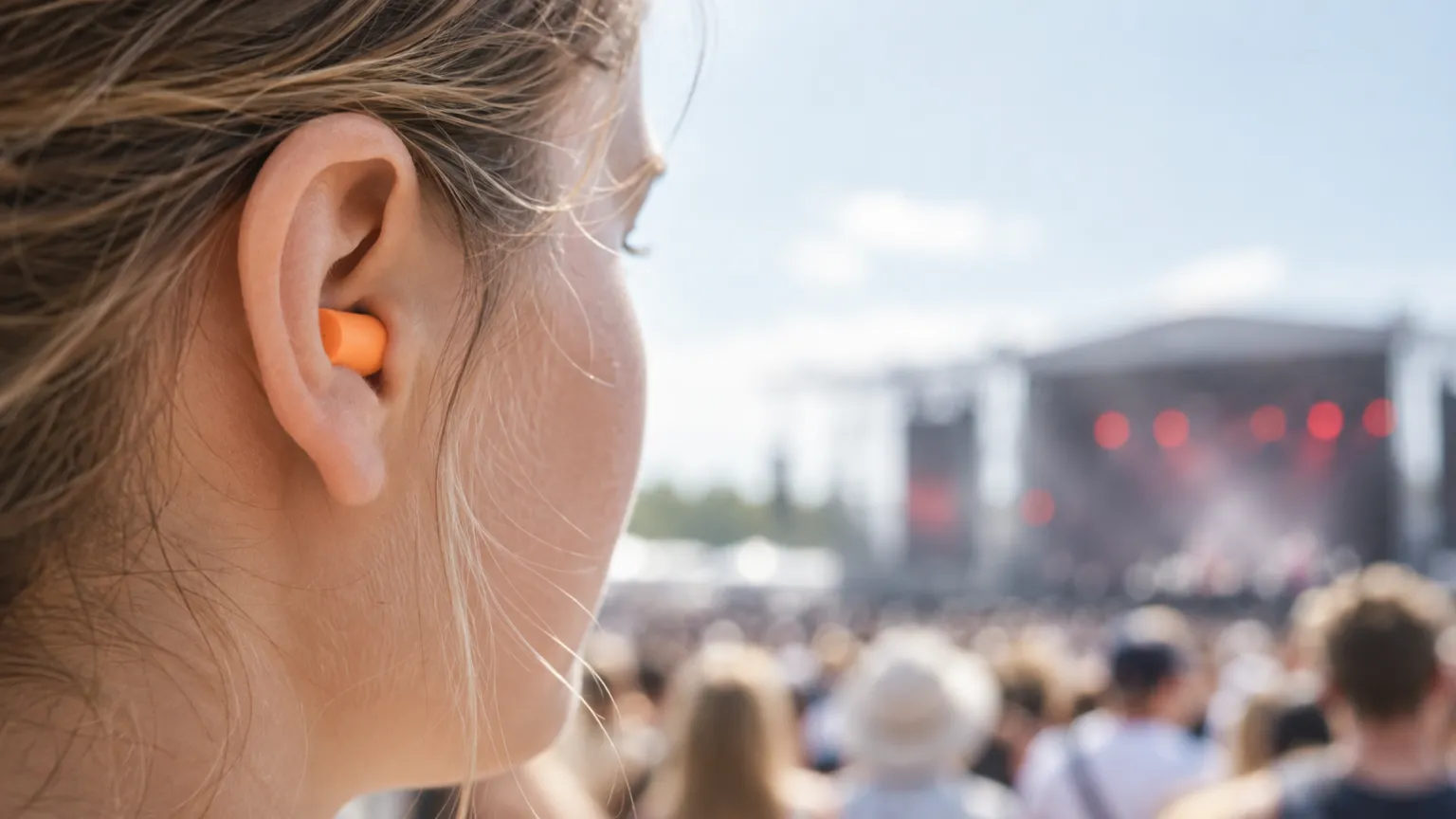
 How Loud Is Too Loud? Safe Decibel Levels and Hearing Damage
Hearing risk starts at 85 dB. See safe daily times for each level under NIOSH and OSHA, the warning signs of damage, and safer limits for kids.
Read →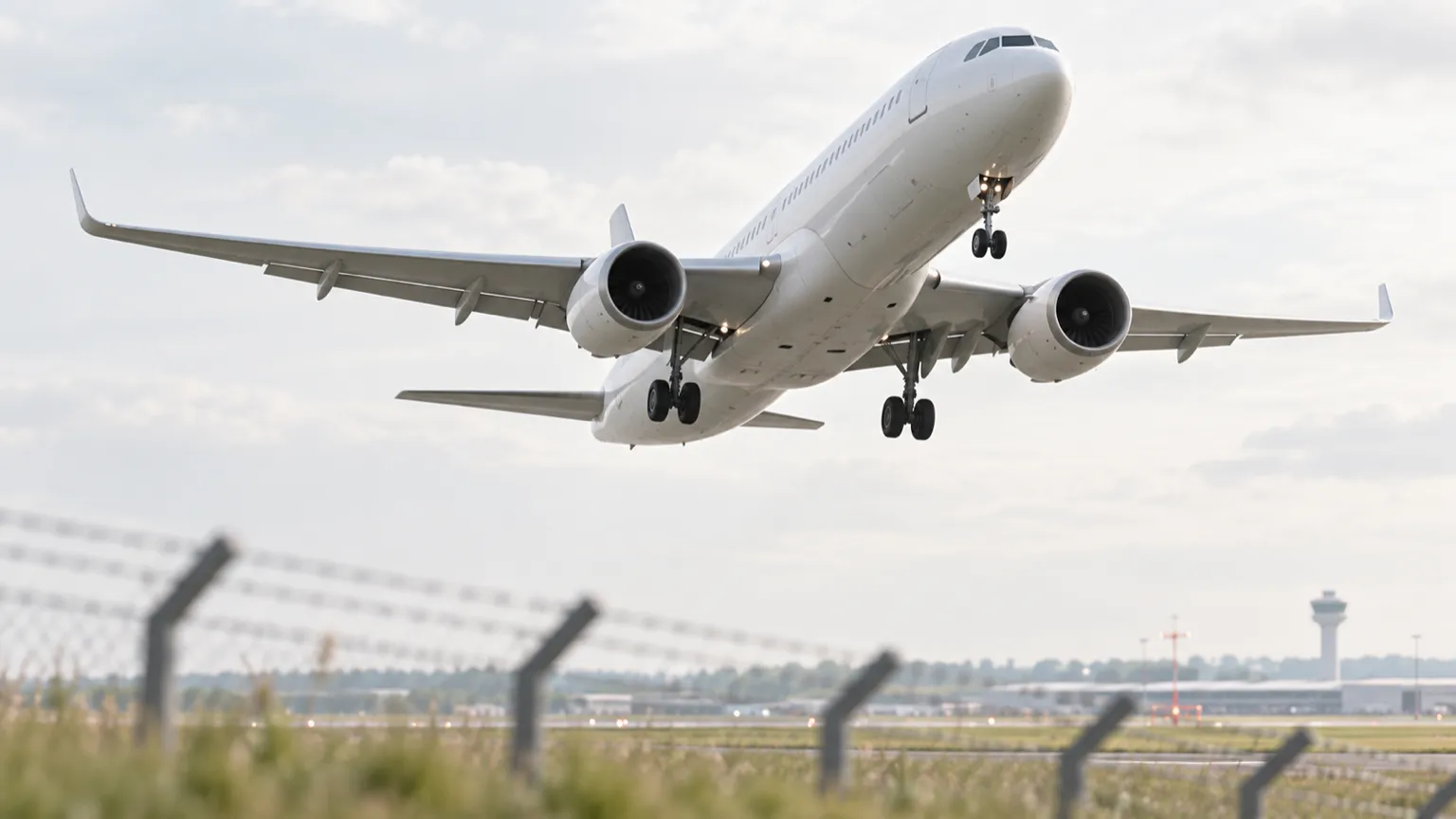 Sound levels
 The Loudest Sounds: Gunshots, Jet Engines, Concerts and Krakatoa
How loud is a gunshot, a jet engine or a concert? A ranked list of loud sounds in decibels, the Krakatoa eruption, and why 194 dB is the limit in air.
Read → Basics
 What Is a Decibel? The Decibel Scale Explained
A decibel compares a sound to the quietest one we can hear. Why +10 dB sounds twice as loud, +3 dB doubles the energy, and two 60 dB sources make 63 dB.
Read →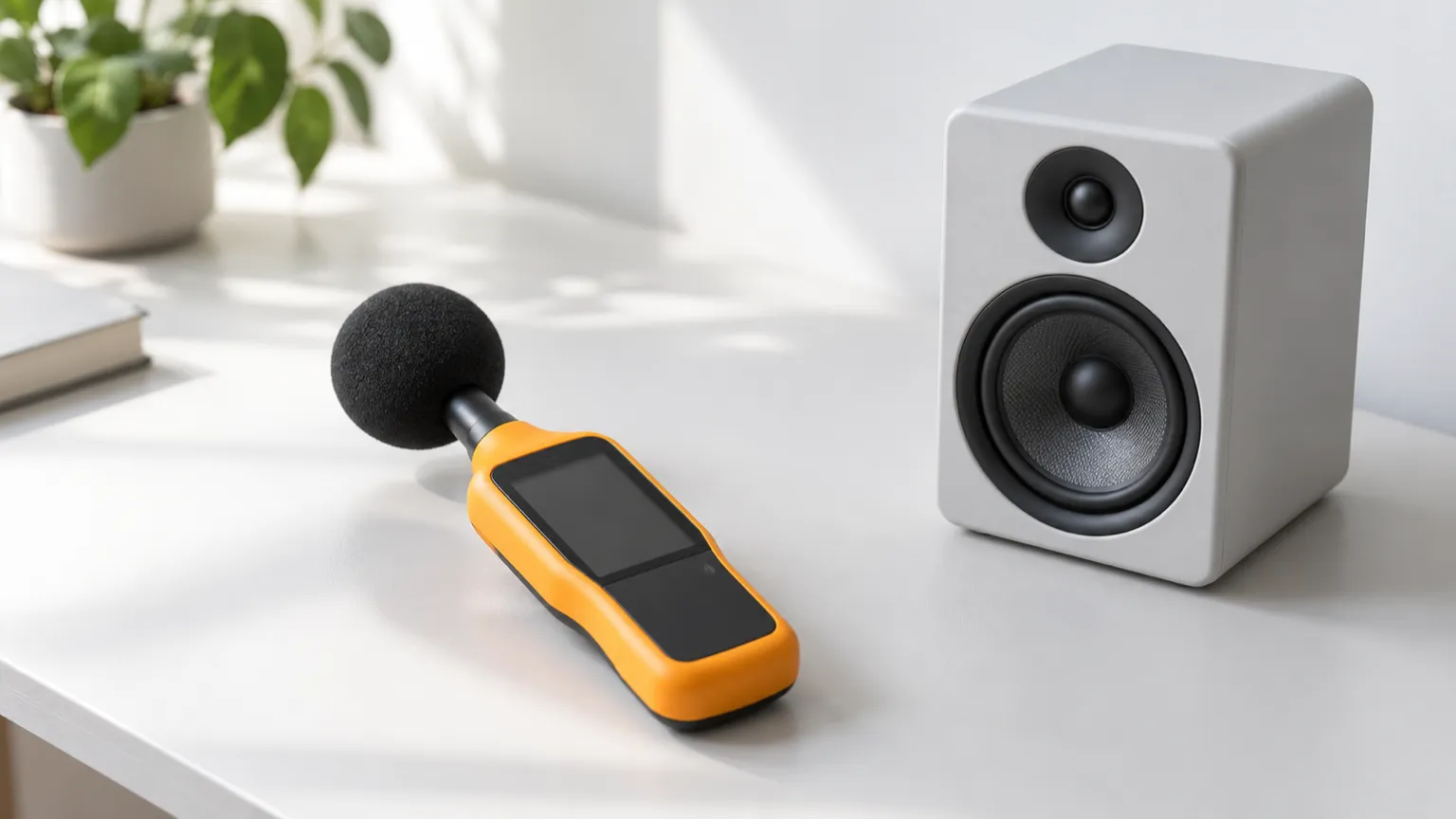 Basics
 dB vs dBA: What A-Weighted Decibels Mean
dBA is a decibel reading filtered to match human hearing. How A, C and Z weighting differ, when each is used, and what Fast, Slow and Leq mean.
Read → How to
 How to Measure Decibels on iPhone (and Apple Watch)
Measure sound levels with your iPhone or Apple Watch: the Noise app, headphone level in Control Center, meter apps, and how accurate a phone mic really is.
Read → At home
 Neighbor Noise: How to Measure and Document It Before You Complain
How to measure and document neighbor noise: what to record, a simple noise log, typical night limits, and the steps to take before filing a complaint.
Read → For teachers
 Classroom Noise Levels: Standards, Noise Monitors and Tips for Teachers
How loud should a classroom be? ANSI's 35 dBA standard, typical levels for each activity, how bouncy-ball noise monitors work, and tips that help.
Read →